L-serine has numerous functions, including the production of small molecules involved in cellular metabolism, for example: as the precursors for the synthesis of amino acids (e.g., glycine, cysteine, and taurine), nucleotides (e.g., purine and pyrimidine nucleotides), neurotransmitters, and phospholipids (e.g., sphingolipids and phosphatidylserine), as well as a methyl donor for protein and DNA synthesis (Shen et al., 2021)
Cholecalciferol is metabolized to its active form, calcitriol, which increases the bodys absorption of calcium and phosphorus
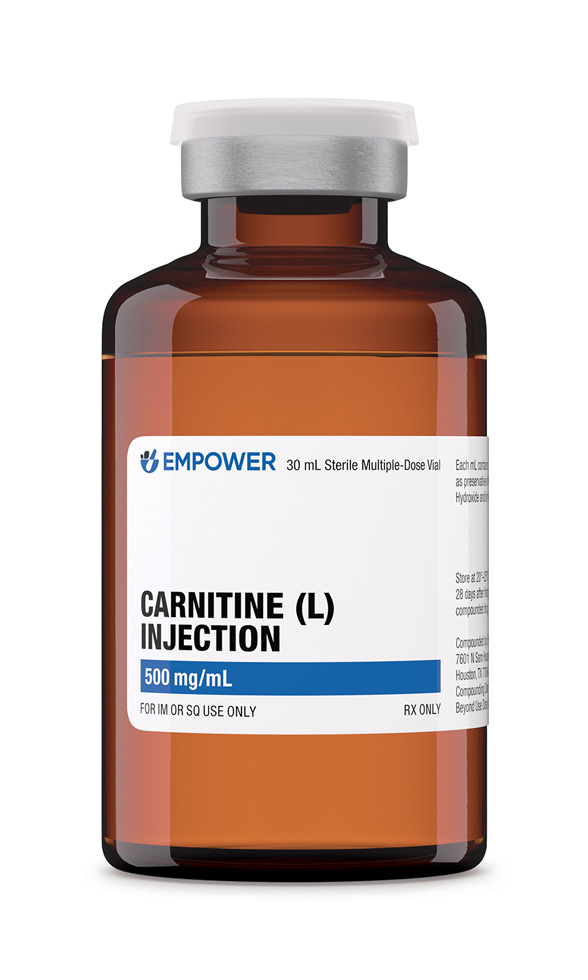
L-carnitine improves fatty acid utilization in cardiac muscle cells, thereby increasing efficiency
Why does the water need to be added slowly down the side of the vial